Shrimp Traceability
Shrimp Traceability
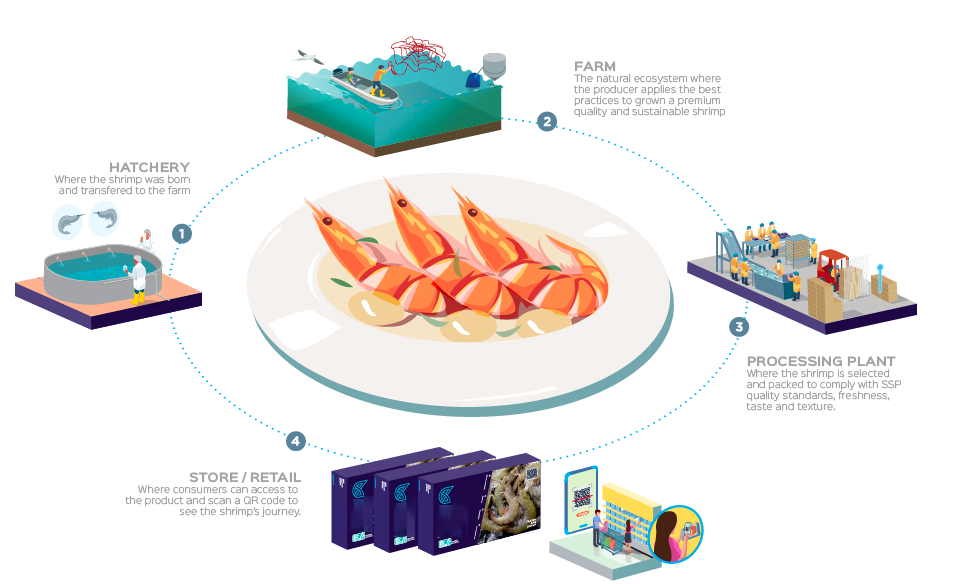
Shrimp traceability is the ability to track shrimps history and origin from the source to the end including production, distribution. In the context of shrimp farming, traceability helps to identify the resources used, cultivation techniques applied through Internet of Things and thereafter the processing methods of each shrimp product.
Cibus intends to start the first stage of Traceability, that is ERP solution from broodstock to the processing unit.
Cibus is currently creating a web-based traceability application for all stakeholders, so they can easily access important information about the product.
Broodstock
Hatchery
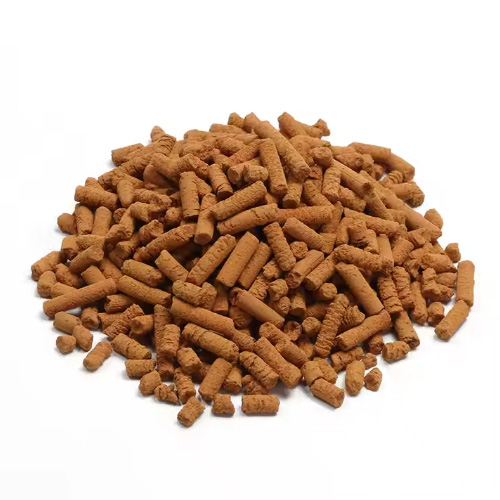
Shrimp Feed
Farm operations
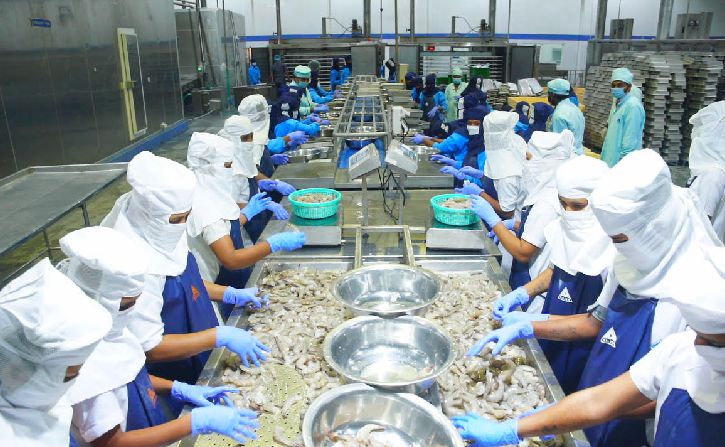
Processing Exports
In the second stage, shrimp processing, supply chain sequence along with certification will be added to complete the traceability with the government backup and support in terms of authenticating the product as an organic product free from diseases and antibiotics and has all the nutrients like protein and vitamins intact.
By scanning the QR code on the package, the stakeholders can instantly discover where, when, by whom, and how their shrimp was farmed and processed with certification by internationally accepted agencies. This traceability at every stage ensures they can trust that they are purchasing a high-quality and safe product.
In our Stage I of traceability primarily starts at hatchery and farm where we have the inputs of seed free from diseases and feed with high protein content, integrating IoT (Internet of Things) technology is transformative, revolutionizing operations and enhancing productivity.

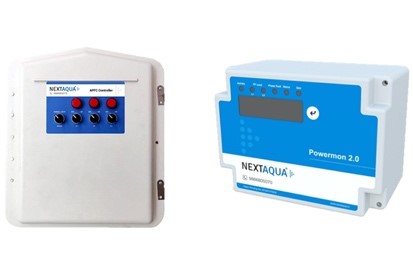
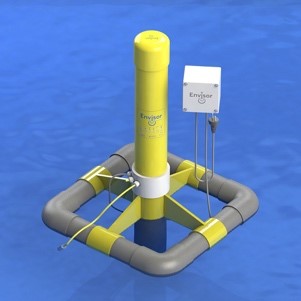
Cibus’s IoT technology allows shrimp farmers to monitor crucial parameters like water temperature, pH levels, dissolved oxygen, and salinity in real time. This essential data allows farmers to quickly detect any deviations from optimal conditions and make timely adjustments, thereby ensuring the shrimp's health and well-being.
By keeping the environment in optimal condition, farmers can encourage faster growth rates and healthier shrimp populations, which in turn enhances productivity and boosts profitability.First-Contact Resolution (commonly called FCR) is an important customer service and contact center metric, and is key to enhancing customer loyalty. In the phone-first era of customer service, it used to be called first-call resolution.
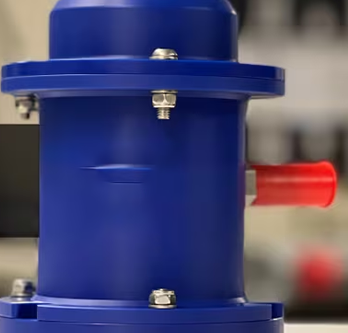
To enhance productivity, efficiency, and sustainability in the shrimp industry, Cibus is equipping farmers with cutting-edge IoT devices.
Integrating IoT technology
Smarter Farms with Real-Time Insights
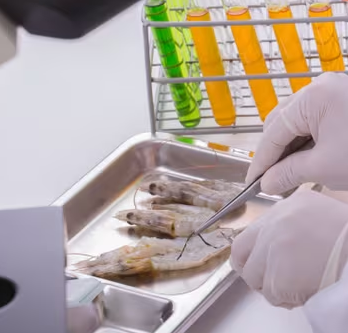
IoT technology is vital for disease management, as it allows for the early detection of illnesses within the shrimp population. By consistently tracking key health indicators like behaviour patterns and physiological parameters, IoT sensors can notify farmers of potential disease outbreaks in their early stages. Cibus is presently engaging in talks with leading companies that specialize in disease diagnostic technologies. At Cibus, we empower farmers by providing technology, timely funding (working capital), and insurance, ensuring peace of mind, reducing production costs, and increasing earnings.
Benefits
Health Benefits of Tilapia & Shrimps
Our commitment to excellence does not stop at the retail end. In addition to our modularized hybrid RAS technology, Cibus supplies the ongoing extension services and consulting to ensure successful implementation and troubleshooting of our indoor shrimp farming technology. Our key technical staff in India and the US have over 200 years combined experience in the shrimp farming industry and work closely with farmers to train in use of the system and industry-standard biosecurity practices, and will provide experience-based advice on seed and feed quality. Quarterly client reviews ensure goals are being met, as well as pre-emptive monitoring of the system through our iCloud network to respond rather than react to potential problems. Product buy-back programs are also available. A truly comprehensive package from start to finish.
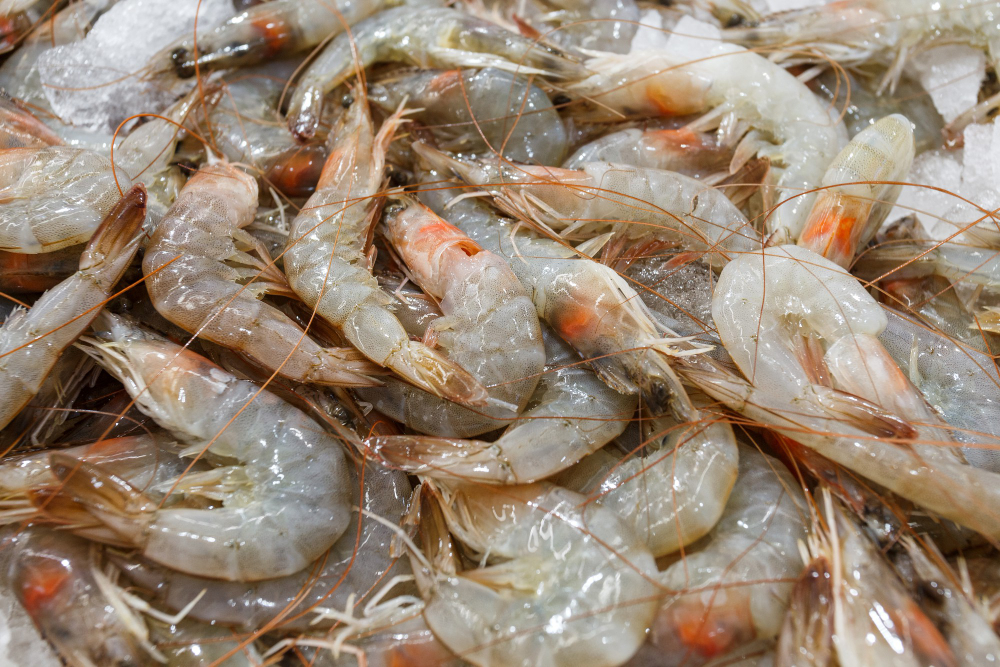
Shrimp
- Rich in omega-3 fatty acids, supports psychological health
- High-quality protein source, low in fat.
- Assists in weight loss and wound healing.
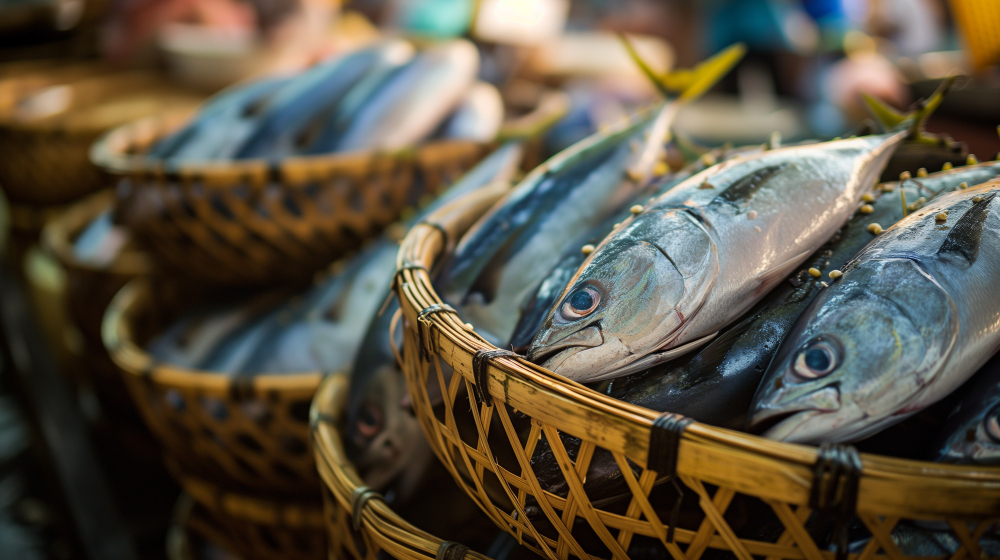
Tilapia
- Contains omega-3 fatty acids and astaxanthin, promoting heart and brain health.
- Rich source of protein with essential vitamins and minerals.
Shrimp Farming
How AI & IoT Work for Shrimp Farming
Shrimp farming has undergone a digital revolution, with Artificial Intelligence (AI) and the Internet of Things (IoT) transforming traditional practices into highly efficient and sustainable operations. These cutting-edge technologies empower farmers with intelligent, automated solutions that address critical challenges and optimize productivity.
Real-Time Water Quality Monitoring
AI and IoT enable continuous tracking of essential water parameters, including pH levels, oxygen, temperature, and salinity. Sensors placed in shrimp ponds collect data and transmit it to central systems. AI algorithms analyze this information, providing real-time insights to farmers and alerting them to any deviations, ensuring optimal water conditions for shrimp health.
Smart Feeding Systems
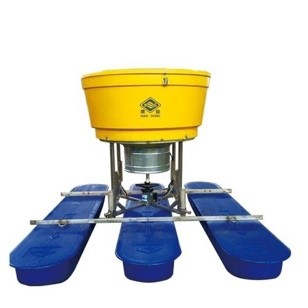
AI-powered feeding mechanisms calculate the precise amount of feed required based on shrimp growth and behavior, reducing feed waste and improving shrimp nutrition. Automated feeders distribute the feed efficiently, allowing farmers to save both time and costs.
Automated Aeration
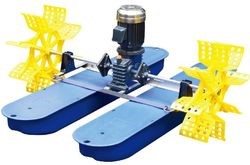
Maintaining proper oxygen levels is crucial for shrimp survival. IoT-enabled aeration systems detect oxygen levels in ponds and automatically adjust aerators to ensure shrimp have the ideal environment for growth. This technology reduces energy consumption and enhances productivity.
Disease Prediction and Prevention
AI-driven predictive analytics identify early warning signs of diseases like White Spot Syndrome Virus (WSSV) and Early Mortality Syndrome (EMS). By analyzing data patterns, farmers receive alerts before outbreaks occur, enabling them to take preventive measures and minimize losses.
End-to-End Traceability
IoT solutions track every stage of shrimp farming, from pond monitoring to harvest and export. This ensures compliance with international standards and provides consumers with transparency, boosting marketability in global markets like the US and EU.
Key Benefits
IoT delivers smart insights for better farm management.
01
Efficiency
Improved efficiency and profitability through automation.
02
Environmental impact
Reduced environmental impact with data-driven solutions.
03
Enhanced Shrimp health
Enhanced shrimp health and growth, leading to higher yields.
Challenges in Shrimp Farming
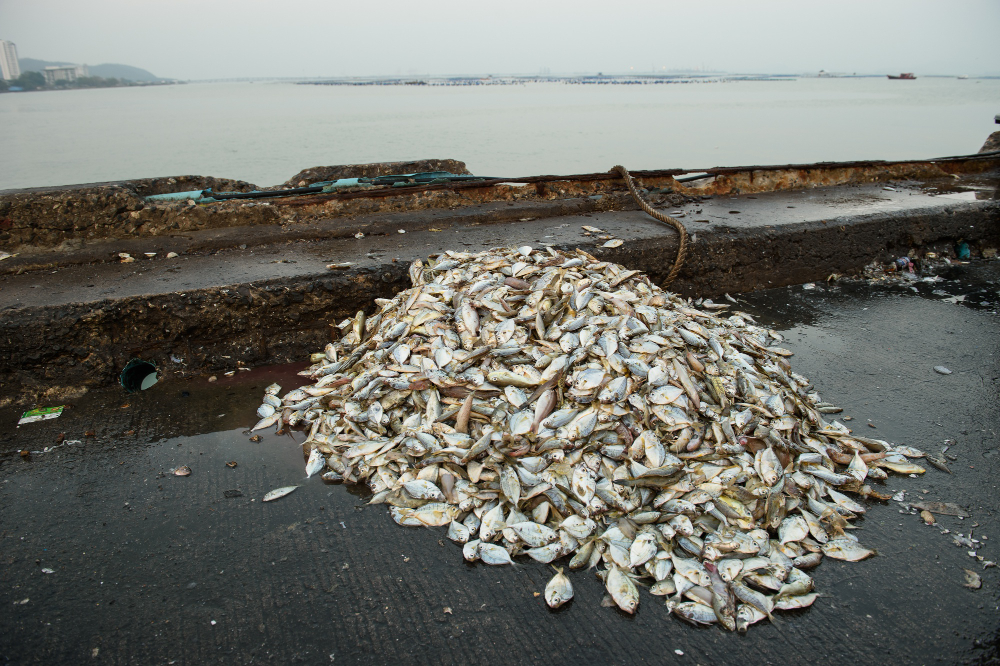
Pollution - Intensive farming generates waste, affecting water quality
Mains Concerns in Indian Aquaculture
The main issues are diseases, environmental pollution, water quality and quantity that's restraining the profitability of farming in India. Our proposed Hybrid RAS will be the solution to make India the No. 1 player in the world in shrimp and tilapia production. To further this, we are also working to develop blockchain digital tracing of product within the value chain to aid rapid communication and transparency to reduce the impact of consignment rejections, which cause a $1 billion annual loss in Indian shrimp exports.
Recent Challenges
Deadly infections like WSSV & EMS cause significant losses
India Ranks Number 2 on shrimp production. Traditional methods of shrimp farming in India are able to produce just between 3 MT per acre while our Hybrid RAS will produce upto 60 MT per acre.
| Disease | Economics | Environmental |
|---|---|---|
WSSV, EHP, EMS, White feces
|
Reduced margins
|
Reduced Water quality & quantity
|